
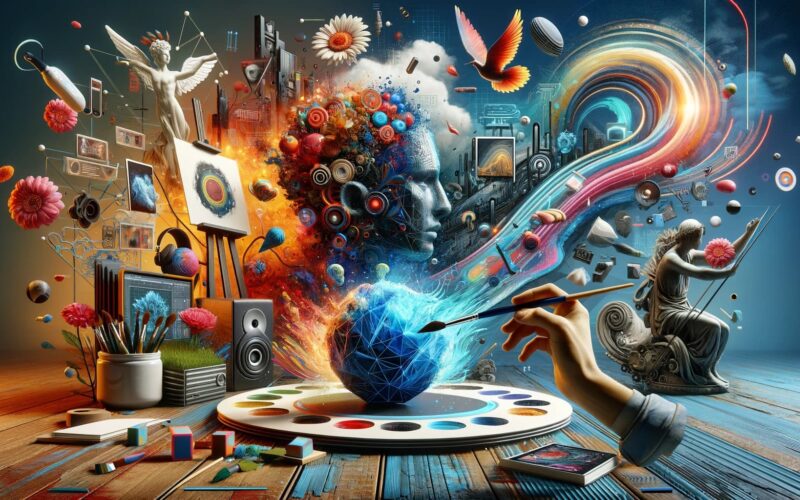
In recent decades, digital art has firmly established itself in the cultural and creative landscape of the modern world. This form of art, based on digital technologies, not only expands the possibilities for artists but also shapes new trends in the perception and creation of creative content. In Slovenia, as in many European countries, digital art is becoming increasingly popular, attracting the attention of both professional artists and a wide audience. But where is this rapidly developing sector heading, and which technologies are defining its future?
Technological Progress and Expanding Opportunities for Artists
One of the key drivers of digital art development is innovation in software and hardware. Modern graphic tablets, virtual and augmented reality, as well as powerful artificial intelligence algorithms, significantly expand the toolkit for creators. Thanks to these technologies, artists can create complex and interactive works that are not limited to traditional formats.
For example, VR art allows viewers not just to look at a painting but to immerse themselves in a three-dimensional space, interact with objects, and feel part of the artwork. This changes not only the creative process but also the ways in which the public perceives art. Augmented reality (AR) enables integrating digital objects into the real world, opening new horizons for installations and performances.
Artificial Intelligence as a New Creative Partner
Artificial intelligence is becoming not just a tool but a full-fledged co-author for artists. Modern neural networks can generate images, animations, and even music based on vast datasets and styles from different eras. This allows creating unique works that combine human creative intuition with the computational power of machines.
In Slovenia, projects are already emerging where AI assists artists in developing new visual concepts or creating dynamic multimedia installations. However, this also raises important questions about the boundaries of authorship, originality, and the role of humans in the art of the future. Discussions on these topics are becoming part of professional communities and educational programs.
The Economics of Digital Art: NFTs and New Monetization Methods
One of the revolutionary innovations in digital art has been the NFT (non-fungible token) technology. NFTs allow creating digital certificates of ownership for artworks, opening a new market and monetization methods for artists. This is especially relevant in a context where digital content is easily copied and distributed.
NFT projects enable not only the sale of unique digital works but also establishing mechanisms for receiving royalties upon subsequent resales. For Slovenian artists and collectors, this means new tools for developing and promoting creativity on a global level. Nevertheless, the NFT market is highly volatile and requires careful attention to security and legal regulation.
Social Networks and Global Communication
The spread of digital art is closely linked to the development of social platforms and online communities. Instagram, TikTok, Behance, and specialized art platforms provide artists with the opportunity to directly interact with audiences, receive feedback, and find creative partners. In Slovenia, the number of active users creating and promoting digital art is growing, contributing to the formation of local and international creative networks.
Moreover, digital exhibitions and online galleries allow overcoming geographical barriers and expanding access to art for everyone interested. This trend intensified especially during the pandemic, highlighting the importance of technology in preserving cultural life.
Education and Preparing New Generations of Creators
An important aspect of the future of digital art is the development of educational programs that prepare artists to work with modern technologies. In Slovenian universities and specialized schools, courses in digital design, computer graphics, interactive art, and AI are emerging. This helps to form professional personnel capable of creating high-quality and innovative content.
Supporting young talents, participating in international contests and exhibitions, as well as collaborating with technology companies stimulate industry development and increase its competitiveness on the world stage.
Challenges and Prospects of Digital Creativity
Despite many opportunities, digital art faces a number of challenges. Issues of copyright protection, technology sustainability, ethics of AI use, and the impact of digital trends on traditional art forms require careful consideration. Critics note that excessive fascination with technology may lead to loss of emotional depth and uniqueness of works.
However, with a reasonable approach, the synthesis of technology and creative essence opens limitless prospects. Digital art becomes a powerful tool for expressing ideas, creating new forms of communication, and shaping the cultural space of the future.
Overall, the future of digital art in Slovenia and the world promises to be dynamic and diverse. Technologies will not only develop but also transform the very understanding of art, expanding the boundaries of the possible and inspiring new generations of creators. It is important to remain open to changes and use the opportunities of digital creativity for the benefit of culture and society.